
During challenging times how do we access our resilience reserves and ensure they are topped up? More than ever we need to be our best selves.
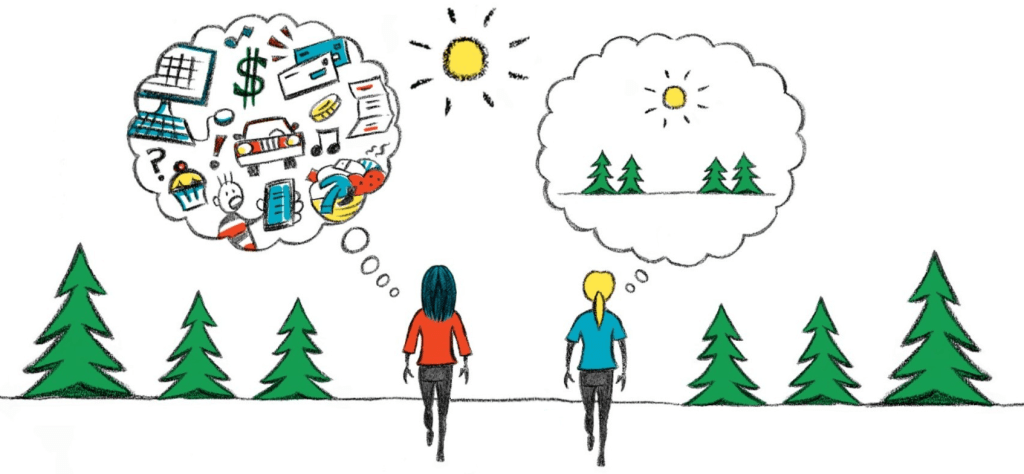
Many of us spend a great deal of time thinking about the past, or the future. Think about how often you slow down and focus on the present moment? Mindfulness has become an important practice in our busy lives. It helps us to check in with ourselves and replenish our resilience reservoirs.
Mindfulness Meditation is a practice of being fully and attentively present in the moment. In formal practice the breath is used as an anchor to bring stability to the mind and body, when we chose to become deliberately aware of it. It is a practice which helps us reconnect and interrupt our automatic habits.
Mindfulness can be integrated into every aspect of our lives including mindful eating, reading, working, walking, cooking, cleaning and writing.
Meditation Tips
Meditation was a practice I never got my head around (pun intended), until this year. My only take away from Mindfulness courses was my mind was very full indeed! Earlier this year that changed when a good friend introduced me to Transcendental Meditation. Despite its name, it was so simple and effective that I’ve been practicing it ever since. To find out more about TM click here.
Some people like to listen to music, others prefer silence. Some like natural sounds, others want guided mediations, silence, or even images and videos. There is no ‘right’ or ‘wrong’. The key is finding the right meditation for you – one you enjoy, find easy and fits with your lifestyle. If it feels like a chore, forget it! Play around with the duration, sound and styles that work best for you.
You’ll know its right when you look forward to your meditation because it allows you to pause amidst the chaos, find some peace, clarity and energy. It may well help you control anxiety, get better sleep, focus, feel more confident and be more productive. It may even boost your memory and your self-esteem. Just a couple of minutes of meditation a day will really help to you to top up your Resilience Reservoir and maintain your overall health and well-being.
Mindfulness Courses
You may benefit from attending an eight week Mindfulness Stress Based Reduction course which is usually 2 hours per week at weekly intervals. Check Google, or local groups for Mindfulness courses. There are many good 6 week Mindfulness Stress Based Reduction courses advertised. See what you can find local to you. Be sure that the facilitator is professional and experienced and that you feel comfortable and secure in the place you are meditating. For further resources on Mindfulness look up: John Kabat-Zin; Andy Puddicombe and Chade-Meng Tan, amongst others.
Meditation Apps
Insight Timer (totally free with thousands of meditations from around the world for anxiety, stress, sleep etc. the list is endless. You can even connect with your friends and find out what’s working for them.).
Calm (Try the 7 day free trial. This App costs about £7 a month and you can cancel whenever you want.)
Headspace (Try the free 10 day basic package of 3, 5 or 10 minute meditations. He has some fun animations too. To access sessions beyond the basics it will cost $12.99 per month, or $95 for an annual subscription, which works out to be about $8 a month.)